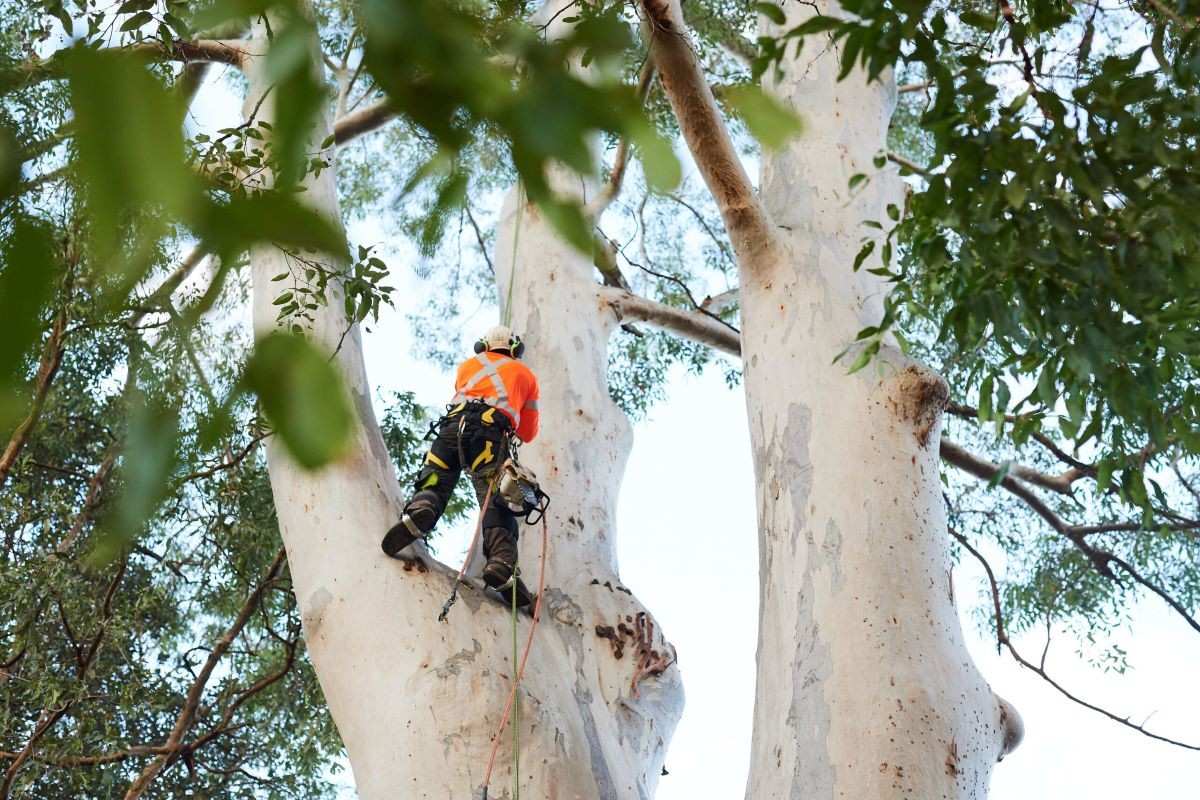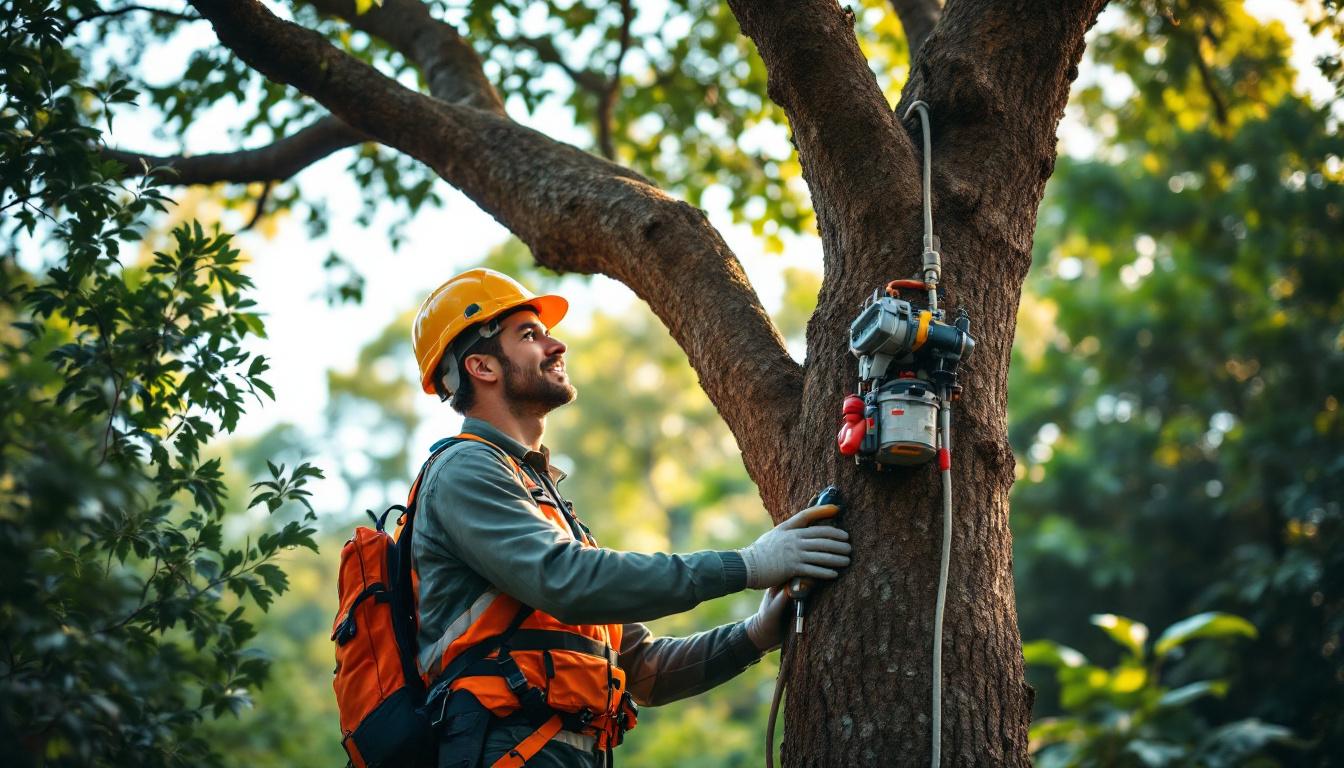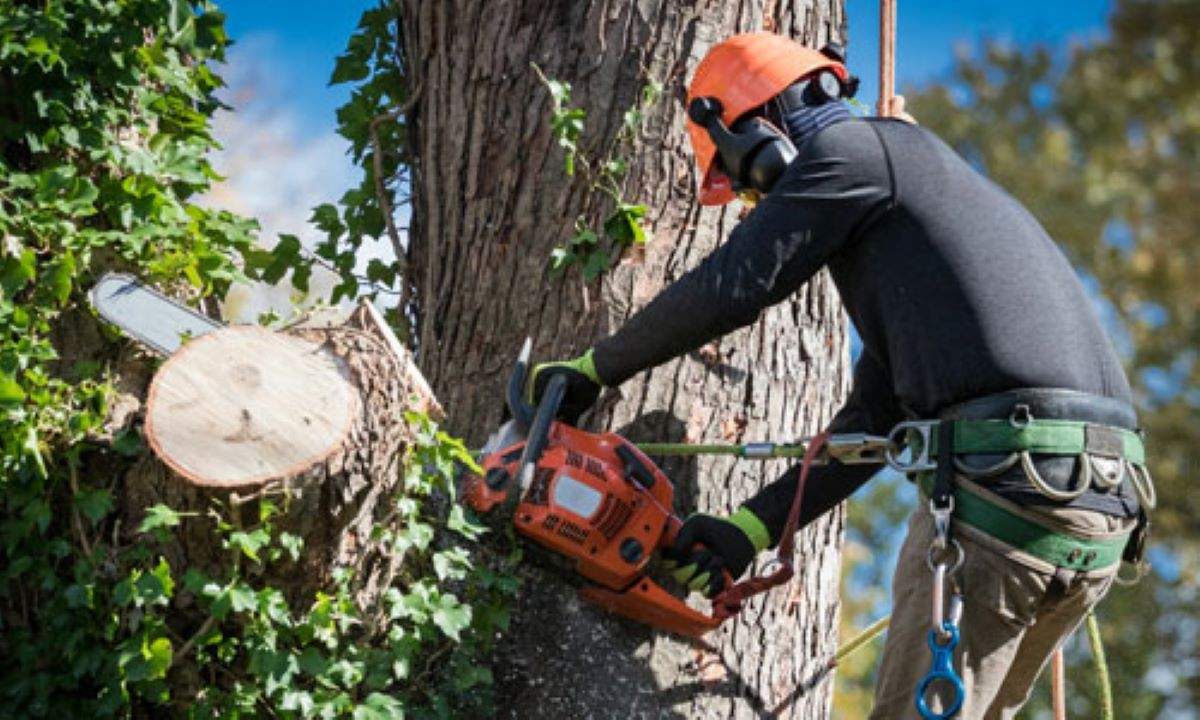
The good news is that most incidents are avoidable with a few checks. This guide focuses on practical safety steps they can take before, during, and after booking a tree cutting crew.
What makes tree cutting in Hornsby a safety-critical job?
Tree cutting Hornsby combines unpredictable forces with limited control once a cut is made. A small misjudgment in lean, load, or decay can turn a “simple removal” into a falling limb over a fence, roof, driveway, or power line.
Local blocks also add constraints like tight side access, sloping yards, and close neighbours. The safest jobs are the ones planned around these constraints, not rushed through them.
How can they confirm the service is properly insured and qualified?
They should ask for proof of current public liability insurance and confirm the coverage amount suits the property risk. It is also reasonable to ask whether the climbers and operators hold relevant competencies for chainsaw use, rigging, and elevated work.
If a company hesitates to provide certificates, that is a safety red flag. A professional crew will share documents and explain who is responsible on site.
What should they check about licences, council rules, and approvals in Hornsby?
They should not assume any tree can be cut without approval. Depending on the tree species, size, location, and zoning, permits may apply and penalties can be costly.
A safe operator will discuss approvals early, not on the day of the job. Homeowners should ask who handles applications, what can be pruned versus removed, and what paperwork they will receive if required.
How do they spot dangerous trees and describe the risk accurately?
They should look for signs like dead tops, large cracks, fungal brackets, hollow sounds, lifting roots, or sudden leaning. They should also note targets: roofs, sheds, glass, driveways, play areas, and neighbour fences.
When booking, they should share photos from multiple angles and mention access limits. Clear information helps the crew choose the right method, staffing, and rigging plan.
What questions should they ask about the cutting method and equipment?
They should ask whether the job will be climbed, rigged, or done with an elevated work platform. They should also ask how branches will be lowered, where drop zones will be, and whether heavy wood will be controlled with ropes and friction devices.
If the plan involves free dropping near structures, vehicles, or fences, they should ask what protection will be used. A good answer sounds specific, not vague.
How can they ensure the crew will manage power lines and utilities safely?
They should identify overhead wires, service lines, and any nearby poles or transformers. They should not rely on guesswork about distances, as tree movement during cutting can be hard to predict.
They should ask the company how they handle electrical hazards, and whether the job requires coordination with the electricity distributor. If lines are involved, “we will be careful” is not a safety plan.
What should be included in a safe on-site risk assessment?
They should expect the crew to do a walk-through before cutting starts. That includes checking lean, decay, wind, escape routes, drop zones, and where the public could enter.
They should also expect a brief explanation of what will happen first, what will be lowered, and where everyone will stand. If a crew starts cutting immediately with no plan, homeowners should pause the job. You may like to visit https://aridplantdesigns.com/is-a-cert-5-arborist-worth-it-when-you-need-advanced-tree-expertise/ to get is a Cert 5 Arborist worth it? when you Neen advanced tree expertise.
How should they prepare the property before the crew arrives?
They should clear vehicles from driveways and move outdoor furniture, pot plants, and loose items that could be struck. They should also keep pets inside and plan to keep children away from the work area.
If access requires a side gate, they should measure it and tell the crew in advance. Surprises with access often cause rushed decisions, and rushed decisions cause accidents.
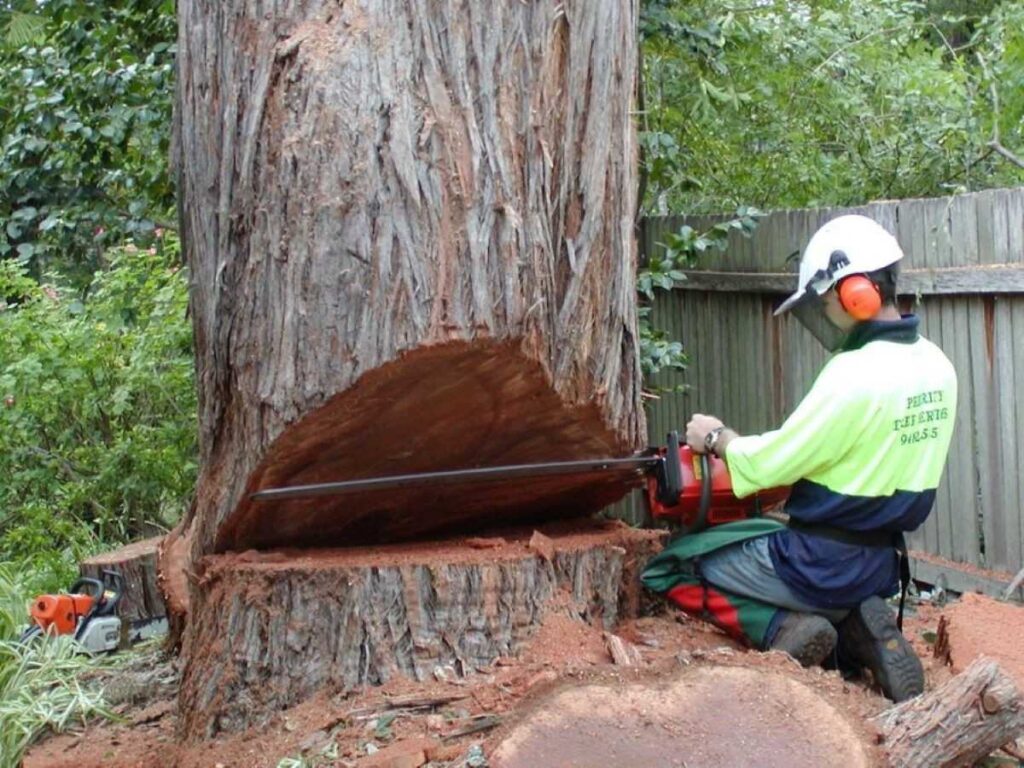
What boundaries should they set for family, neighbours, and the public?
They should treat the work zone as off-limits. If the tree overhangs a footpath or shared driveway, they should ask how the crew will control pedestrian movement and whether barriers or spotters will be used.
They should also notify neighbours if branches will pass over fences or if noise will be significant. Fewer interruptions means fewer distractions for the operators.
How can they judge whether a quote is safe, not just cheap?
They should compare quotes based on method, crew size, equipment, and cleanup scope. A low price can sometimes mean fewer controls, no rigging, or less time allowed for safe lowering.
They should look for details like “sectional removal,” “rigging,” “traffic control,” “stump grinding optional,” and “waste removal included.” A safe quote reads like a plan, not a guess.
What should they expect regarding personal protective equipment and site control?
They should expect helmets, eye and hearing protection, chainsaw protective trousers, gloves, and suitable boots. They should also expect the site to be controlled with cones, tape, or barriers where needed.
If operators are cutting overhead with no helmets, or running saws near bystanders, homeowners should intervene. Safety gear is not optional on a serious tree job. Read more about tree removal and protection.
What post-job checks reduce leftover hazards?
They should check that limbs, logs, and debris are removed or stacked safely, not left on slopes or against fences. They should confirm whether stump treatment or grinding was included, and whether roots could create trip hazards.
They should also ask for advice on follow-up, especially if nearby trees were stressed or if pruning changed wind exposure. A safe service ends with a tidy site and clear next steps.
FAQs (Frequently Asked Questions)
What makes tree cutting in Hornsby a safety-critical job?
Tree cutting in Hornsby involves unpredictable forces combined with limited control once a cut is made. Misjudgments in lean, load, or decay can cause falling limbs to damage fences, roofs, driveways, or power lines. Local constraints like tight side access, sloping yards, and close neighbours further increase risks. Proper planning around these factors is essential for safety.
How can homeowners confirm that a tree cutting service in Hornsby is properly insured and qualified?
Homeowners should request proof of current public liability insurance with coverage suitable for their property’s risk. They should also verify that climbers and operators hold relevant competencies for chainsaw use, rigging, and elevated work. A professional crew will readily provide certificates and explain who is responsible on site; hesitation to share documents is a safety red flag.
What licences, council rules, and approvals must be considered before tree cutting in Hornsby?
Not all trees can be cut without approval. Depending on species, size, location, and zoning, permits may be required and penalties for non-compliance can be costly. A safe operator discusses approvals early, clarifies who handles applications, what pruning or removal is allowed, and provides necessary paperwork well before the job day.
How can homeowners identify dangerous trees and accurately describe the risks when booking a service?
Signs of dangerous trees include dead tops, large cracks, fungal brackets, hollow sounds when tapped, lifting roots, or sudden leaning. Homeowners should note nearby targets like roofs, sheds, glass areas, driveways, play areas, and neighbour fences. Sharing clear photos from multiple angles along with access limitations helps crews plan appropriate methods and staffing.
What questions should homeowners ask about the tree cutting method and equipment used in Hornsby?
They should inquire whether the job will involve climbing, rigging, or using an elevated work platform; how branches will be lowered; locations of drop zones; and if heavy wood will be controlled using ropes or friction devices. If free dropping near structures or vehicles is planned, they should ask what protections will be implemented. Specific answers indicate a well-thought-out safety plan.
How can homeowners ensure that power lines and utilities are managed safely during tree cutting?
Homeowners should identify all overhead wires, service lines, poles or transformers near the work area and not rely on guesswork regarding distances. They must ask the company how electrical hazards are handled and whether coordination with the electricity distributor is required. Vague assurances are insufficient; a detailed safety plan addressing electrical risks is essential.